Tag Archives: William J. Conaway.

Living in San Miguel

5 Jan
Download on Amazon.com, Amazon.com.mx; Barnes and Noble.com; Kobo.com (now includes sony Readers) and on Google Play. Search William J. Conaway.

Download on Amazon.com, Amazon.com.mx; Barnes and Noble.com; Kobo.com (now includes sony Readers) and on Google Play. Search William J. Conaway.

A Gringo Guide to Living in San Miguel de Allende – A complete 150 page, perfect bound book a guide, and advice for living and enjoying San Miguel de Allende as a resident or a visitor. A fun filled, Cartoon illustrated day-to-day guide with stories chronicalling the authors «Early Years» in San Miguel. Even long-term residents are guaranteed to find information they never knew before, supplied by a 50+ year Bilingual/Bicultural American resident of San Miguel.

A Gringo Guide to Living in San Miguel: Its Culture and Customs

3 Jan
Download on Amazon.com, Amazon.com.mx; Barnes and Noble.com; Kobo.com (now includes sony Readers) and on Google Play. Search William J. Conaway.

Download on Amazon.com, Amazon.com.mx; Barnes and Noble.com; Kobo.com (now includes sony Readers) and on Google Play. Search William J. Conaway.

An Excerpt from my, “A Gringo Guide to Living in San Miguel: Its Culture and Customs”.
© Copyright William J. Conaway, 2008
© Derechos Reservados

Introduction
In this guide I will try to give you a feel for the modern San Miguel de Allende. (For the History pick up a copy of ”San Miguel’s History”.) Perhaps in this way I can help you to avoid some of the trials and tribulations of living here, and to reveal some of the secrets to getting along and enjoying life in our beloved San Miguel. My knowledge, accumulated through more than 50 years of San Miguel de Allende experience will help you enjoy your stay in our community, however brief or long it may be.

The reasons foreign residents have chosen to live here vary from person to person. The most important reason is the arts. San Miguel’s traditional support for the arts may be traced back to 1781, when, as a small town, it contributed to the upkeep of an official academy of art in the capital. It became an art colony, for foreign residents, beginning around 1951. With the help of Nell Fernandez, wife of a one-time Governor of Guanajuato; Stirling Dickinson, philanthropist and naturalist; and the G.I. Bill, the Instituto Allende opened its doors welcoming the veterans, disabled or retired, who poured into San Miguel to study art and/or merely live in inexpensive post-war México . Today there are more cultural activities here than in most large cities in the States.

Some like living here because of the climate. It never seems to get too hot or cold, too wet or dry. The average temperature is 64° (F), and the average rainfall per year is 27 inches. The nights are cool enough to use a blanket, and the days warm up as the sun climbs. Eternal Spring!

Also, San Miguel has a unique charm of its own. The native born residents don’t understand it any more than we do, but it’s here. One of the things you can see and feel about this town is that it doesn’t change. You can leave it for as long as you wish, but when you return it’s almost as if you never left. Many of the same people can be seen, sitting in the Jardín, right where you left them. Sure, there’s more traffic, new restaurants, and different shops. The outlying colonias are much bigger, but the feel of it’s still here, just as you remember it.

The Jardín, as everyone calls the main square, is a place to meet friends, have your shoes shined, wait for the English language newspapers to arrive: ”El Independiente”, ”The News”, and the ”Atención”; or to converse with the people who are there for the same reasons. You can catch up on the latest gossip too. But it can be the worst place for reliable information. As you will come to realize, everyone in San Miguel, even the new arrivals, are experts on practically everything. Our advice in this book, however, is tested and true.

Remember, you’re a long way from home. Everything is different here. Be receptive to new ways of doing things. You can’t change the Mexicans, so don’t even try. With time you will become accustomed to this new way of life; it just takes a little patience, more for some than others.

San Miguel, in the last few years, has lept forward into modernity. On the outskirts we now have huge stores (compared to what we had) with lots of never before available items at good prices. A huge improvement for the people of San Miguel.

People often remark to me, “Boy, you’ve really seen some changes over the years.” I have. And all of them have improved San Miguel. Increased the ambiance. Made it a better place to live.

San Miguel had its charm back in 1961, when I first came here, but it was poor, rundown, and ugly too. Don’t forget that. The Sanmiguelenses deserve better, and are finally getting it.
Table of Contents

The Early Years – My First Visit….1
Introduction to the Guide….9
Chapter One – San Miguel’s Early History….13
The Early Years – A Country Wedding….15
Chapter Two – Mexico’s Social Customs….19
Chapter Three – Some of the Largest Celebrations..23
Chapter Four – Superstition….31
Chapter Five – Relax, Make Yourself At Home….33
Chapter Six – Tipping….35
Chapter Seven – Dining Out in San Miguel….37
Chapter Eight – Shopping….39
Chapter Nine – Services….47
Post Office….47
Telephone….49
Cellphones….51
Automotive….52
U.S. Consular Services….53
Financial Services….53
Medical Services….57
Dental….58
Cable T.V…..58
The Early Years – Early Rising….59
Chapter Ten – Real Estate….67
The Early Years – A Ride in the Country….71
Chapter Eleven – Studying Spanish….79
Chapter Twelve – Mexican Law in Brief….83
The Early Years – The Only Convertible….85
Chapter Thirteen – San Miguel Fiestas….89
The Early Years – Changing Minds….105
The Early Years – A Swimming Hole….107
The Early Years – Wolfman Jack and Partying….109
Book Two – Living On the Cheap
Chapter One – San Miguel on Fewer Pesos
Chapter Two – Feeding Your Face….117
Chapter Three – Boozing….125
Chapter Four – Transportation….129
Chapter Five – Things to Do….131
Chapter Six – Working in Mexico….133
The Early Years – The Black Cat….137
The Early Years – Los Locos….141
The Early Years – El Catrín….142
The Early Years – Alexi Lalas….144
Papelandia Publishing Catalog….147

Gringo Guide to Living in San Miguel

2 Jan
Download on Amazon.com, Amazon.com.mx; Barnes and Noble.com; Kobo.com (now includes sony Readers) and on Google Play. Search William J. Conaway.

Download on Amazon.com, Amazon.com.mx; Barnes and Noble.com; Kobo.com (now includes sony Readers) and on Google Play. Search William J. Conaway.

A Gringo Guide to Living in San Miguel de Allende – A complete 150 page, perfect bound book a guide, and advice for living and enjoying San Miguel de Allende as a resident or a visitor. A fun filled, Cartoon illustrated day-to-day guide with stories chronicalling the authors «Early Years» in San Miguel. Even long-term residents are guaranteed to find information they never knew before, supplied by a 50+ year Bilingual/Bicultural American resident of San Miguel.

A Gringo Guide to Living in San Miguel

1 Jan
Download on Amazon.com, Amazon.com.mx; Barnes and Noble.com; Kobo.com (now includes sony Readers) and on Google Play. Search William J. Conaway.

Download on Amazon.com, Amazon.com.mx; Barnes and Noble.com; Kobo.com (now includes sony Readers) and on Google Play. Search William J. Conaway.

A Gringo Guide to Living in San Miguel de Allende – A complete 150 page, perfect bound book a guide, and advice for living and enjoying San Miguel de Allende as a resident or a visitor. A fun filled, Cartoon illustrated day-to-day guide with stories chronicalling the authors «Early Years» in San Miguel. Even long-term residents are guaranteed to find information they never knew before, supplied by a 50+ year Bilingual/Bicultural American resident of San Miguel.

Gringo Guide to Living in San Miguel

30 Dec
Download on Amazon.com, Amazon.com.mx; Barnes and Noble.com; Kobo.com (now includes sony Readers) and on Google Play. Search William J. Conaway.

Download on Amazon.com, Amazon.com.mx; Barnes and Noble.com; Kobo.com (now includes sony Readers) and on Google Play. Search William J. Conaway.

An Excerpt from my, “A Gringo Guide to Living in San Miguel: Its Culture and Customs”.
© Copyright William J. Conaway, 2008
© Derechos Reservados

Introduction
In this guide I will try to give you a feel for the modern San Miguel de Allende. (For the History pick up a copy of ”San Miguel’s History”.) Perhaps in this way I can help you to avoid some of the trials and tribulations of living here, and to reveal some of the secrets to getting along and enjoying life in our beloved San Miguel. My knowledge, accumulated through more than 50 years of San Miguel de Allende experience will help you enjoy your stay in our community, however brief or long it may be.

The reasons foreign residents have chosen to live here vary from person to person. The most important reason is the arts. San Miguel’s traditional support for the arts may be traced back to 1781, when, as a small town, it contributed to the upkeep of an official academy of art in the capital. It became an art colony, for foreign residents, beginning around 1951. With the help of Nell Fernandez, wife of a one-time Governor of Guanajuato; Stirling Dickinson, philanthropist and naturalist; and the G.I. Bill, the Instituto Allende opened its doors welcoming the veterans, disabled or retired, who poured into San Miguel to study art and/or merely live in inexpensive post-war México . Today there are more cultural activities here than in most large cities in the States.

Some like living here because of the climate. It never seems to get too hot or cold, too wet or dry. The average temperature is 64° (F), and the average rainfall per year is 27 inches. The nights are cool enough to use a blanket, and the days warm up as the sun climbs. Eternal Spring!

Also, San Miguel has a unique charm of its own. The native born residents don’t understand it any more than we do, but it’s here. One of the things you can see and feel about this town is that it doesn’t change. You can leave it for as long as you wish, but when you return it’s almost as if you never left. Many of the same people can be seen, sitting in the Jardín, right where you left them. Sure, there’s more traffic, new restaurants, and different shops. The outlying colonias are much bigger, but the feel of it’s still here, just as you remember it.

The Jardín, as everyone calls the main square, is a place to meet friends, have your shoes shined, wait for the English language newspapers to arrive: ”El Independiente”, ”The News”, and the ”Atención”; or to converse with the people who are there for the same reasons. You can catch up on the latest gossip too. But it can be the worst place for reliable information. As you will come to realize, everyone in San Miguel, even the new arrivals, are experts on practically everything. Our advice in this book, however, is tested and true.

Remember, you’re a long way from home. Everything is different here. Be receptive to new ways of doing things. You can’t change the Mexicans, so don’t even try. With time you will become accustomed to this new way of life; it just takes a little patience, more for some than others.

San Miguel, in the last few years, has lept forward into modernity. On the outskirts we now have huge stores (compared to what we had) with lots of never before available items at good prices. A huge improvement for the people of San Miguel.

People often remark to me, “Boy, you’ve really seen some changes over the years.” I have. And all of them have improved San Miguel. Increased the ambiance. Made it a better place to live.

San Miguel had its charm back in 1961, when I first came here, but it was poor, rundown, and ugly too. Don’t forget that. The Sanmiguelenses deserve better, and are finally getting it.
Table of Contents

The Early Years – My First Visit….1
Introduction to the Guide….9
Chapter One – San Miguel’s Early History….13
The Early Years – A Country Wedding….15
Chapter Two – Mexico’s Social Customs….19
Chapter Three – Some of the Largest Celebrations..23
Chapter Four – Superstition….31
Chapter Five – Relax, Make Yourself At Home….33
Chapter Six – Tipping….35
Chapter Seven – Dining Out in San Miguel….37
Chapter Eight – Shopping….39
Chapter Nine – Services….47
Post Office….47
Telephone….49
Cellphones….51
Automotive….52
U.S. Consular Services….53
Financial Services….53
Medical Services….57
Dental….58
Cable T.V…..58
The Early Years – Early Rising….59
Chapter Ten – Real Estate….67
The Early Years – A Ride in the Country….71
Chapter Eleven – Studying Spanish….79
Chapter Twelve – Mexican Law in Brief….83
The Early Years – The Only Convertible….85
Chapter Thirteen – San Miguel Fiestas….89
The Early Years – Changing Minds….105
The Early Years – A Swimming Hole….107
The Early Years – Wolfman Jack and Partying….109
Book Two – Living On the Cheap
Chapter One – San Miguel on Fewer Pesos
Chapter Two – Feeding Your Face….117
Chapter Three – Boozing….125
Chapter Four – Transportation….129
Chapter Five – Things to Do….131
Chapter Six – Working in Mexico….133
The Early Years – The Black Cat….137
The Early Years – Los Locos….141
The Early Years – El Catrín….142
The Early Years – Alexi Lalas….144
Papelandia Publishing Catalog….147

A Gringo Guide to the Cristero Rebellion

29 Nov
Download on Amazon.com, Amazon.com.mx; Barnes and Noble.com; Kobo.com (now includes sony Readers) and on Google Play. Search William J. Conaway.

Download on Amazon.com, Amazon.com.mx; Barnes and Noble.com; Kobo.com (now includes sony Readers) and on Google Play. Search William J. Conaway.

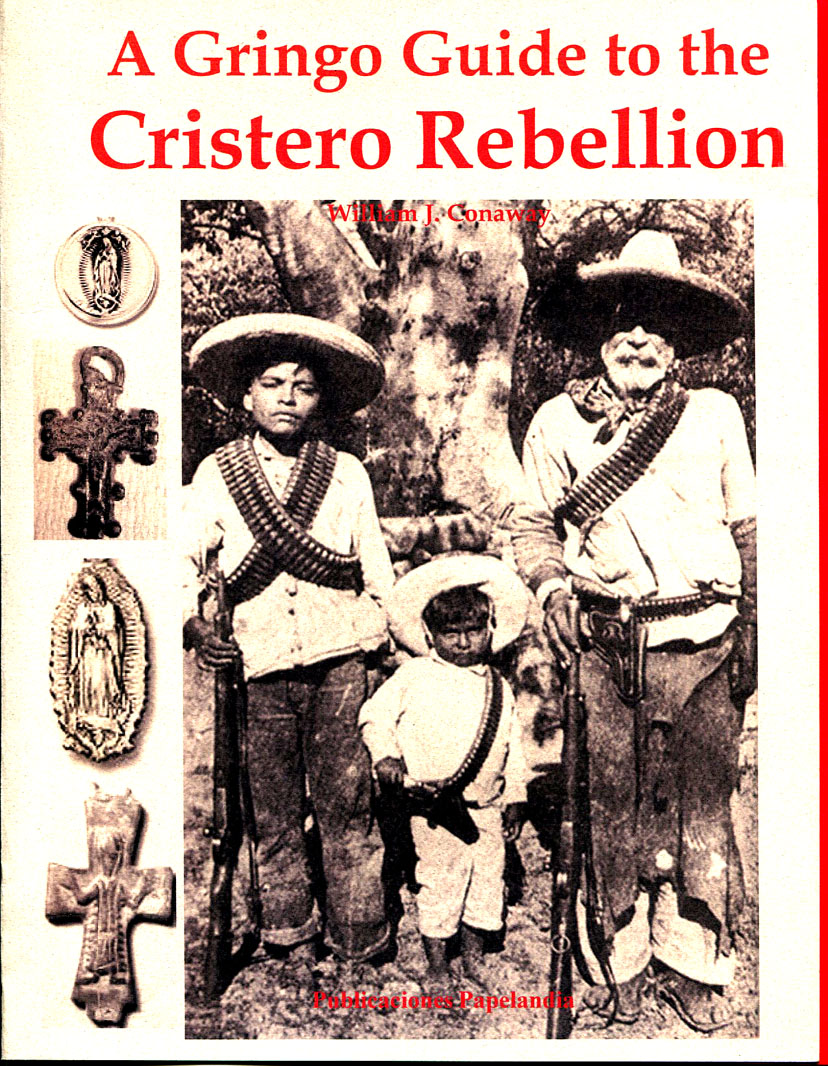
A Gringo Guide to the Cristero Rebellion – A twenty-eight page book with the complete forgotten history of the Rebellion against the Calles Administration 1926-1930 in which the Pope closed the Mexican churches, and the government waged modern warfare against their own people over religious differences. hundreds of thousands of people died and a half million people migrated to theU.S. GG-106 $14.50 Plus $6.95 Shipping and Handling. Order by email: wjconaway@yahoo.com, or download from Amazon.com; Barnes andNoble.com; Kobo.com; or Google Play for a considerable discount.

A Gringo Guide to the Cristero Rebellion

28 Nov
Download on Amazon.com, Amazon.com.mx; Barnes and Noble.com; Kobo.com (now includes sony Readers) and on Google Play. Search William J. Conaway.

Download on Amazon.com, Amazon.com.mx; Barnes and Noble.com; Kobo.com (now includes sony Readers) and on Google Play. Search William J. Conaway.

A Gringo Guide to the Cristero Rebellion – A twenty-eight page book with the complete forgotten history of the Rebellion against the Calles Administration 1926-1930 in which the Pope closed the Mexican churches, and the government waged modern warfare against their own people over religious differences. hundreds of thousands of people died and a half million people migrated to theU.S. GG-106 $14.50 Plus $6.95 Shipping and Handling. Order by email: wjconaway@yahoo.com, or download from Amazon.com; Barnes andNoble.com; Kobo.com; or Google Play for a considerable discount.

A Gringo Guide to the Cristero Rebellion

27 Nov
Download on Amazon.com, Amazon.com.mx; Barnes and Noble.com; Kobo.com (now includes sony Readers) and on Google Play. Search William J. Conaway.

Download on Amazon.com, Amazon.com.mx; Barnes and Noble.com; Kobo.com (now includes sony Readers) and on Google Play. Search William J. Conaway.

A Gringo Guide to the Cristero Rebellion – A twenty-eight page book with the complete forgotten history of the Rebellion against the Calles Administration 1926-1930 in which the Pope closed the Mexican churches, and the government waged modern warfare against their own people over religious differences. hundreds of thousands of people died and a half million people migrated to theU.S. GG-106 $14.50 Plus $6.95 Shipping and Handling. Order by email: wjconaway@yahoo.com, or download from Amazon.com; Barnes andNoble.com; Kobo.com; or Google Play for a considerable discount.

A Gringo Guide to the Cristero Rebellion

26 Nov
Download on Amazon.com, Amazon.com.mx; Barnes and Noble.com; Kobo.com (now includes sony Readers) and on Google Play. Search William J. Conaway.

Download on Amazon.com, Amazon.com.mx; Barnes and Noble.com; Kobo.com (now includes sony Readers) and on Google Play. Search William J. Conaway.

An except from my, “A Gringo Guide to the Cristero Rebellion”.

When General Plutarco Elías Calles was elected President during the summer of 1924, he was regarded as a leader of the left wing, an enemy of the old military chieftains, and the hacendados who hated agrarian reform. He had little of Obregón’s tolerance. He proposed to govern as a master, if necessary as a dictator.

He paid little attention to Obregón who was forced to return to his farm in Sonora.

Calles entered office with a passion for social reform, promising to enforce provisions of the Constitution which Obregón had chosen to ignore. In his four years he would advance the promises of the Revolution.

(In Chicago Al Capone was king in 1925, with a gang of 700 gunsels controlling 10,000 speakeasies. In New York the “New Yorker” magazine was launched, tackling American life with a wicked, penetrating wit.)

The Calles period would be one of commercial prosperity, and as a result the government had more money at its disposal. Calles carried forward the Educational Program which had been initiated by José Vasconcelos, started campaigns of sanitation and hygiene, began extensive programs for irrigation, and built modern roads.
Calles was also embroiled in a battle with “foreign” oil companies for control of the oil fields, and their wealth.

Calles threatened to, “light up New Orleans with the fire of the oil fields.”

Agrarian reform moved forward with the distribution of 8 million acres to 1,500 villages, and agricultural banks were formed. But serious opposition began to fester among Church radicals who were bitterly opposed to land redistribution.

In April of 1926, the Church republished speeches in opposition to the Constitution, and the conflict began to look like a war to the death between the Church and the Revolution.

On March 5, 1926, President Plutarco Elías Calles urged state governors to enforce constitutional articles on religion saying, “As long as I am President of the Republic, the Constitution of 1917, will be obeyed”.

In a dramatic attempt to focus public opinion, the Church decreed a cessation of public worship. On Sunday, August 1, 1926, not one priest mounted the altar of a Mexican church for morning Mass for the first time in 400 years.

Chapter Six

THE CRISTERO REBELLION
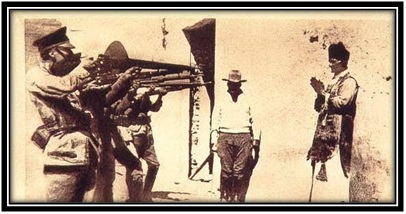
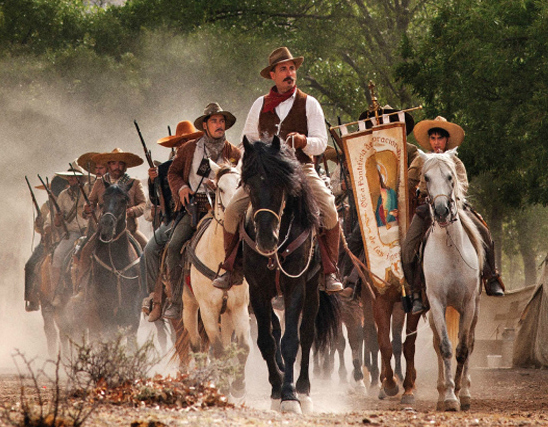
The Cristeros, soldiers of Christ, were country people of the States of Jalisco, Michoacán, Guanajuato, Durango, and Zacatecas. They were mostly landed farmers, students, and women in whose lives religion played an important part. They followed the orders given by an association known as, the Catholic Association of Mexican Youth (ACJM).

On September 21, 1926, Congress rejected a petition to recind the repressive laws against the Church, signed by 2 million Catholic Mexicans. The only course of action left for the NLRD was to take up arms.

A Gringo Guide to the Cristero Rebellion

24 Nov
Download on Amazon.com, Amazon.com.mx; Barnes and Noble.com; Kobo.com (now includes sony Readers) and on Google Play. Search William J. Conaway.

Download on Amazon.com, Amazon.com.mx; Barnes and Noble.com; Kobo.com (now includes sony Readers) and on Google Play. Search William J. Conaway.

A Gringo Guide to the Cristero Rebellion – A twenty-eight page book with the complete forgotten history of the Rebellion against the Calles Administration 1926-1930 in which the Pope closed the Mexican churches, and the government waged modern warfare against their own people over religious differences. hundreds of thousands of people died and a half million people migrated to the U.S. GG-106 $14.50 Plus $6.95 Shipping and Handling. Order by email: wjconaway@yahoo.com, or download from Amazon.com; Barnes and Noble.com; Kobo.com; or Google Play for a considerable discount.